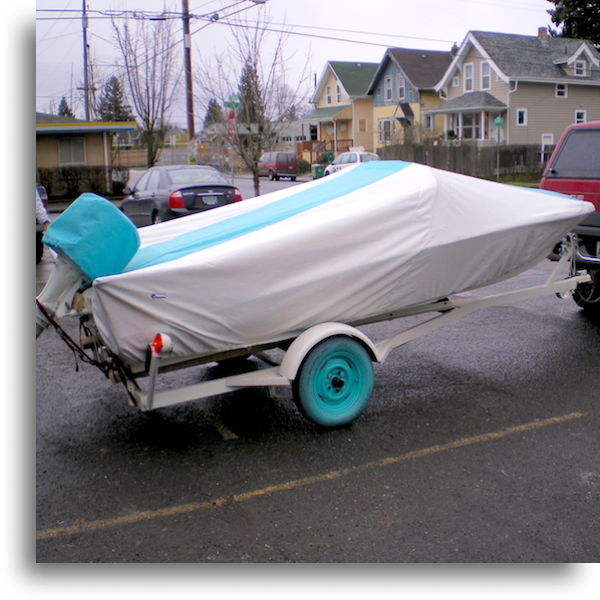
Boat cover maintenance is an important part of protecting your boat from rain, dirt, moisture and everyday wear. Regular cleaning, proper drying, checking for damage and correct storage can help extend the useful life of marine canvas while keeping your boat better protected between outings.
For boat owners in Wilsonville and throughout the Portland area, maintaining a cover is especially important during Oregon’s wet months. A cover may be designed to withstand outdoor conditions, but that doesn’t mean it should be left unattended for an entire season.
Knowing what to look for and when to take action can help prevent small problems from becoming expensive replacements.
Why Is Regular Boat Cover Maintenance Important?
A boat cover does more than keep leaves and dirt out of your boat. It helps protect upholstery, equipment and exposed surfaces when the vessel isn’t being used.
Over time, however, the cover itself is exposed to changing temperatures, moisture, sunlight and debris.
Without regular attention, you may notice:
-
Water collecting in low areas of the cover
-
Dirt and organic debris building up on the fabric
-
Loose stitching or worn attachment points
-
Reduced water resistance
-
Mildew developing on accumulated dirt or damp surfaces
-
Fabric stretching or losing its original fit
A damaged or poorly fitted cover may allow water to reach the areas it’s supposed to protect.
For boat owners who store their vessels outdoors, checking the cover periodically is a simple way to identify these problems early.
How Should You Clean a Boat Cover?
The correct cleaning method depends on the material used to manufacture your cover.
Marine canvas, coated fabrics and vinyl materials may have different cleaning requirements. Before applying any product, identify the fabric and follow the manufacturer’s instructions.
For many marine canvas fabrics, routine cleaning involves removing loose debris, washing with a suitable mild cleaning solution and rinsing thoroughly.
A Simple Boat Cover Cleaning Routine
-
Remove leaves, dirt and loose debris with a soft brush.
-
Rinse the cover with clean water.
-
Apply a cleaning solution approved for the fabric.
-
Gently clean using a soft-bristle brush or sponge.
-
Rinse thoroughly to remove soap residue.
-
Allow the cover to air dry completely.
Avoid aggressive scrubbing, harsh chemicals or high-pressure washing unless the material manufacturer specifically permits those methods.
For example, Sunbrella’s marine canvas cleaning instructions recommend regular rinsing and gentle cleaning with mild soap for its marine fabrics. The manufacturer also recommends allowing the fabric to air dry rather than using heat.
Sunbrella
These instructions apply to Sunbrella products and should not automatically be used for every type of marine canvas.
How Often Should You Clean Your Boat Cover?
There isn’t one cleaning schedule that works for every boat.
A cover stored beneath trees may collect leaves, pollen and other debris more quickly than one stored in a covered marina.
As a general approach, inspect the cover regularly and remove debris before it has time to accumulate.
For Sunbrella marine canvas specifically, the manufacturer recommends rinsing approximately once a month, with more thorough cleaning as needed.
If you notice visible dirt, staining or mildew, address it rather than waiting until the end of the boating season.
How Can You Prevent Water From Pooling on a Boat Cover?
One of the most common problems with outdoor boat storage is water collecting on top of the cover.
When a cover develops low spots, rainwater can accumulate instead of draining away.
This adds weight and puts additional pressure on the fabric, seams and attachment points.
Over time, repeated pooling may contribute to stretching or damage.
Check the Cover’s Fit and Support
A properly fitted cover should allow water to drain rather than collect in large pockets.
Depending on the boat and cover design, support poles, frames or other structural features may help maintain the necessary shape.
Make sure any existing supports are positioned correctly and haven’t shifted.
Inspect After Heavy Rain
Following periods of significant rainfall, check for standing water and changes in the cover’s shape.
If water consistently collects in the same area, the problem may be related to the fit, tension or support system.
Simply tightening the cover further isn’t always the solution. Excessive tension can place unnecessary strain on seams and fasteners.
A professional canvas fabricator can help determine whether adjustments, repairs or a different design would provide better drainage.
Waagmeester Canvas Products has been manufacturing custom boat and vehicle covers for decades, including designs tailored to the dimensions and requirements of individual boats.
Should You Remove Your Boat Cover Before Storing It?
That depends on how and where your boat is being stored.
If you’re removing a cover for seasonal storage, it should be clean and completely dry before being folded.
Storing damp canvas in a confined space can encourage unpleasant odors and mildew growth on accumulated dirt.
Tips for Storing a Removable Boat Cover
-
Clean the cover before putting it away.
-
Allow the fabric, seams and reinforced areas to dry completely.
-
Inspect for damage before folding.
-
Fold or roll the cover according to the manufacturer’s recommendations.
-
Store it in a clean, dry and ventilated area.
-
Keep it away from sharp objects that could puncture or tear the fabric.
If the boat will remain outdoors with the cover installed, inspect its fit, drainage and attachment points throughout the storage period.
Don’t assume that a cover installed correctly in the fall will remain properly positioned through months of rain and wind.
How Do You Know When a Boat Cover Needs Repair?
Not every damaged boat cover needs to be replaced.
Some issues can be addressed through professional repairs, particularly when the main fabric remains in good condition.
Common warning signs include:
Loose or Broken Stitching
Seams can experience significant stress from wind, movement and repeated installation.
If stitching begins to separate, the opening may grow larger over time.
Damaged Snaps, Straps or Fasteners
Attachment points help keep the cover secure.
When fasteners break or pull away from the fabric, the cover may become loose and allow water or debris underneath.
Small Tears or Worn Areas
Minor damage may be repairable, depending on the fabric, location and condition of the surrounding material.
However, patches and repairs may not provide a lasting solution when the fabric has become extensively weakened.
A Cover That No Longer Fits Properly
A cover that has stretched, shrunk or changed shape may no longer provide adequate protection.
If water is repeatedly collecting or the cover is difficult to secure, the fit should be evaluated.
Repair or Replace: What Makes More Sense?
| Condition | What to consider |
|---|---|
| Small tear with otherwise healthy fabric | A professional repair may be practical |
| Loose stitching | Restitching may restore the seam |
| Broken snaps or straps | Replacement hardware may solve the problem |
| Repeated water pooling | Fit or support adjustments may be needed |
| Extensive fabric deterioration | Replacement may offer better long-term value |
| Cover no longer fits the boat | A new custom-fitted cover may be appropriate |
The best choice depends on the cover’s age, material condition, construction and the cost of repairs compared with replacement.
Can You Restore the Water Resistance of Marine Canvas?
Some marine canvas fabrics have a water-repellent finish that may gradually lose effectiveness through use, exposure and cleaning.
In certain cases, the finish can be renewed with an appropriate treatment.
However, this depends on the specific fabric.
For example, Sunbrella explains that its marine fabrics may require re-treatment after thorough cleaning or extended use, and that products should be applied according to the manufacturer’s instructions.
Waterproof coatings, fabric protectants and cleaning products are not interchangeable across all materials.
Using the wrong product may affect the fabric’s appearance, breathability or performance.
Before applying a treatment, confirm that it’s compatible with your cover and that the fabric itself is still in good condition.
If water is entering through torn seams, damaged fabric or an improperly fitted cover, a surface treatment alone won’t correct the underlying problem.
Why Does a Custom-Fitted Boat Cover Matter?
A boat cover should be designed around how the boat is shaped, equipped and stored.
A generic cover may work well for some vessels, but boats with unusual dimensions, added equipment or specific storage requirements can be more difficult to fit.
A custom-fitted cover can account for features such as windshields, railings, seating configurations and other equipment.
Proper fit is also important for maintaining tension and supporting drainage.
Waagmeester Canvas Products manufactures custom canvas covers in Wilsonville, Oregon, and can work from the boat itself or detailed measurements when developing a cover for a particular application.
Waagmeester Canvas Products
For owners of hard-to-fit boats, a tailored design may help address problems that standard covers cannot accommodate.
What Should Oregon Boat Owners Check Before the Rainy Season?
Before extended periods of wet weather, it’s worth giving your boat cover a thorough inspection.
Focus on the areas most likely to affect protection and drainage.
Seasonal Boat Cover Checklist
-
Inspect the fabric for tears, thinning and worn areas.
-
Check seams for loose or broken stitching.
-
Test snaps, straps and other attachment hardware.
-
Confirm that the cover fits securely.
-
Look for areas where rainwater may collect.
-
Clean off leaves and organic debris.
-
Check that any support system is properly positioned.
-
Make sure the boat has appropriate ventilation.
-
Confirm that the cover is suitable for the intended storage conditions.
A few minutes of inspection can help you identify problems before they become more difficult to manage.
For boats stored outdoors throughout the winter, repeat these checks periodically, particularly after heavy rain or wind.
Frequently Asked Questions About Boat Cover Maintenance
Can You Wash a Boat Cover in a Washing Machine?
Some removable marine fabrics may be machine washable, but others are not. Check the manufacturer’s instructions before washing. Large covers, reinforced sections and certain coated materials may require hand cleaning or professional care.
How Long Should a Boat Cover Last?
There is no single lifespan for every boat cover. Durability depends on the fabric, construction, sun exposure, weather conditions, fit and maintenance. Regular inspections can help you recognize when repairs or replacement may be necessary.
Can Mildew Grow on Marine Canvas?
Yes. Mildew may develop on dirt, debris and other materials that accumulate on marine fabric, particularly in damp conditions. Regular cleaning and thorough drying can help reduce the conditions that encourage mildew growth.
Is It Better to Repair or Replace an Old Boat Cover?
Minor tears, loose stitching and damaged fasteners may be repairable when the surrounding material is still strong. If the fabric is extensively deteriorated or the cover no longer fits properly, replacement may be more practical.
Should a Boat Cover Be Waterproof or Water-Resistant?
The appropriate material depends on the boat’s storage conditions, ventilation needs and cover design. Water resistance is important, but fit, drainage and airflow also contribute to protecting the boat. A fabric specialist can help identify the right combination for a particular application.
Can a Custom Boat Cover Help Prevent Water Pooling?
A properly designed custom cover can account for the boat’s shape and the placement of support structures to encourage drainage. However, even custom covers need correct installation and periodic inspection.
Protecting Your Boat Starts With the Right Cover
A boat cover is an important part of protecting your investment, but it also needs regular attention.
Cleaning the fabric, checking for damage, preventing standing water and storing the cover correctly can all help maintain its performance.
For boat owners in Wilsonville, Portland and surrounding Oregon communities, seasonal maintenance is particularly valuable when preparing for extended periods of wet weather.
When an existing cover is no longer providing adequate protection, the condition of the fabric and the fit of the cover should both be considered before deciding on repairs or replacement.
Waagmeester Canvas Products has been creating custom marine covers for generations. Its Wilsonville facility supports the design and fabrication of covers for boats with different dimensions, equipment and storage requirements.
For a cover that no longer fits correctly or a new project requiring specialized fabrication, the Waagmeester Canvas Products team can discuss the boat’s dimensions, intended use and available options.