When people hear the word canvas, they may immediately think of an awning or a simple tarp. In reality, canvas products can be designed for a much wider range of residential, commercial and industrial applications.
Custom canvas fabrication is particularly useful when an off-the-shelf product doesn’t fit properly, isn’t designed for Oregon weather, or doesn’t provide the protection a particular space or piece of equipment requires.
From fitted protective covers to outdoor curtains and specialized industrial applications, custom fabrication allows the material, dimensions and design to be selected around how the finished product will actually be used.
What Can Be Made From Canvas?
Canvas and other heavy-duty outdoor fabrics can be fabricated into many different products.
Common applications include:
- Equipment covers
- Machinery covers
- Outdoor curtains
- Patio enclosures
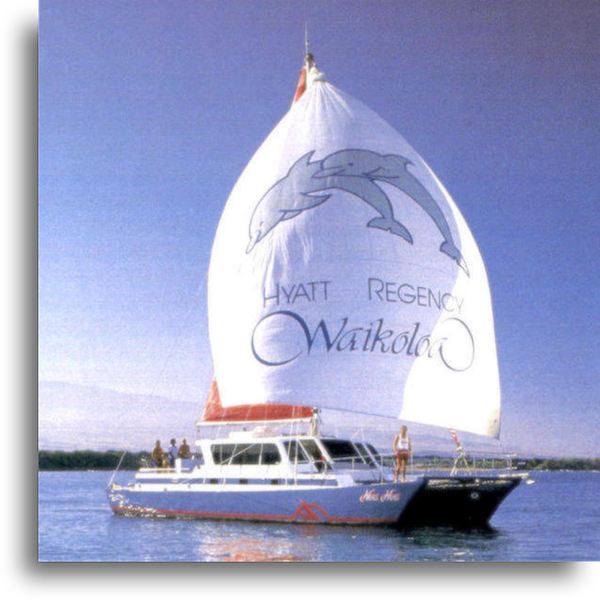
- Boat and marine covers
- Protective tarps
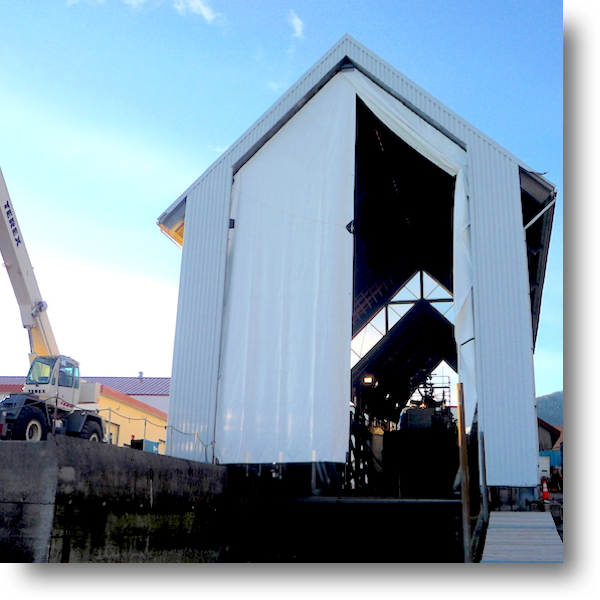
- Industrial dividers
- Custom-shaped covers
- Weather barriers
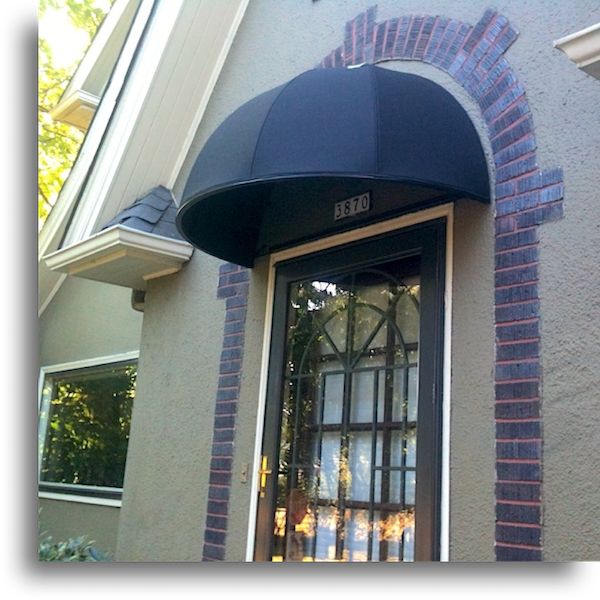
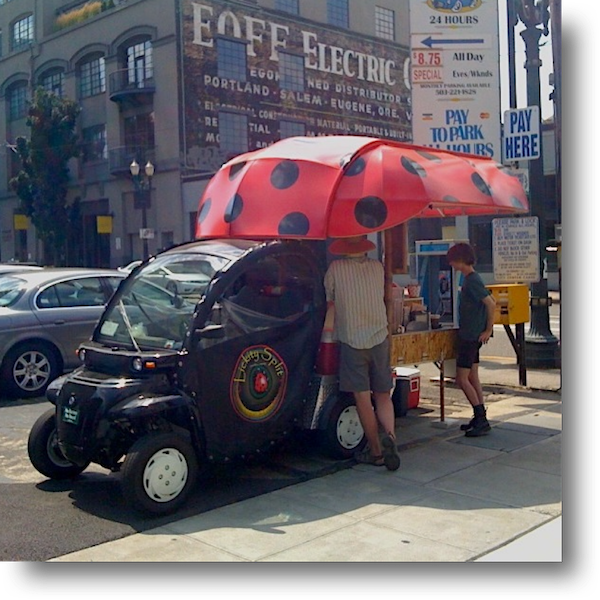
- Awnings and shade products
The right material and construction depend heavily on the application.
A cover designed to protect outdoor equipment from rain, for example, has different requirements than a curtain intended to reduce wind on a patio.
That’s one of the main reasons businesses and homeowners choose custom canvas fabrication rather than relying on a generic product.
When Does a Custom Canvas Cover Make Sense?
A custom cover is particularly useful when the item being protected has unusual dimensions or when a standard rectangular tarp won’t stay securely in place.
Imagine covering a piece of outdoor machinery with a generic tarp. It may technically cover the equipment, but excess material can collect water, openings can allow moisture and debris inside, and wind can cause the tarp to shift.
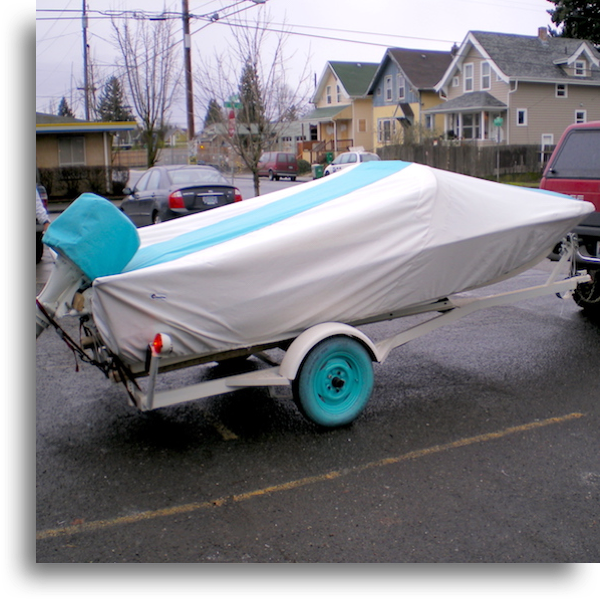
A fitted cover can instead be fabricated around the dimensions and shape of the item.
This can be useful for outdoor furniture, machinery, recreational equipment, commercial equipment and other items that spend significant time exposed to the elements.
For unusual applications, custom canvas fabrication allows the design to be based on the object being protected rather than forcing a standard product to fit.
Can Canvas Products Be Used Outdoors Year-Round?
They can, but material selection matters.
Outdoor fabric is exposed to conditions that indoor materials don’t have to withstand, including:
- Rain
- Sunlight
- Wind
- Dirt and debris
- Temperature changes
- Moisture
Oregon’s wet climate makes moisture management particularly important.
The National Weather Service describes the Pacific Northwest’s climate as strongly influenced by the Pacific Ocean, with much of the region experiencing a pronounced wet season. That makes choosing materials specifically intended for outdoor exposure particularly important for products that will remain outside for extended periods.
The best fabric isn’t necessarily the heaviest one available. The intended use, exposure, flexibility, airflow and water resistance all need to be considered.
Are Canvas Products Waterproof?
This is a good example of why the word “canvas” can sometimes be misleading.
Not every canvas or outdoor fabric is completely waterproof.
Depending on the material, a fabric may be water-resistant, water-repellent or designed to provide a higher level of waterproof protection.
Those differences matter.
A breathable cover used for certain equipment may need different characteristics than a barrier intended to keep rain away from an outdoor seating area.
Seams, fasteners and the overall design also affect how well the finished product manages water. Choosing an appropriate fabric is only one part of creating an effective outdoor product.
What Are Industrial Canvas Products Used For?
Custom canvas isn’t limited to residential applications.
Businesses may need durable fabric products for equipment protection, workspace separation, transportation, storage or other specialized purposes.
Industrial canvas applications can include:
- Machinery and equipment covers
- Protective barriers
- Industrial curtains
- Custom tarps
- Dividers
- Weather protection
- Specialized fabricated covers
Commercial and industrial applications often have very specific dimensions and functional requirements.
That’s where custom fabrication becomes especially valuable. Instead of trying to adapt a consumer product to a commercial application, the product can be fabricated around the actual equipment, workspace or operating environment.
Can Canvas Be Used to Make an Outdoor Space More Comfortable?
Yes. Canvas and other outdoor fabrics aren’t only used to cover objects.
They can also help manage the environment around an outdoor space.
For example, outdoor curtains can provide additional protection from wind, sun and changing weather conditions around patios, covered decks and commercial outdoor areas.
Unlike a permanent wall, curtains can often provide greater flexibility depending on how the space is being used.
This is particularly useful in Oregon, where an outdoor area that is comfortable one day may be windy or wet the next.
Can Custom Canvas Be Made for Unusual Shapes and Sizes?
Yes, and this is one of the primary advantages of custom fabrication.
Standard covers are manufactured around predetermined dimensions. Real-world objects don’t always fit neatly into those dimensions.
Equipment may have handles, controls, protruding components or an unusual overall shape. Outdoor spaces can also have posts, openings and architectural features that need to be accommodated.
A custom product can account for these details during the design and fabrication process.
The result isn’t simply a larger or smaller version of a standard cover. The entire product can be designed around its intended application.
What Should You Consider When Choosing a Canvas Product?
Before selecting a fabric or design, start with the problem you’re trying to solve.
Ask:
- What needs to be protected?
- Will the product stay indoors or outdoors?
- How much exposure will it receive?
- Does it need to handle rain?
- Is airflow important?
- Will it be removed frequently?
- Does it need to withstand wind?
- Is appearance important?
- Are the dimensions unusual?
- Does the product need openings, fasteners or access points?
These questions help determine which materials and construction methods make sense.
A fabric that performs well for one application may not be appropriate for another.
How Do You Choose the Right Canvas Material?
There isn’t one material that is best for every project.
Durability, flexibility, UV exposure, water resistance, breathability and appearance can all influence the decision.
The environment matters as well.
A product that spends its life under a covered patio faces very different conditions from a cover protecting equipment outdoors throughout an Oregon winter.
We’ve covered this topic in more detail in our guide to [choosing canvas material for Oregon weather](INSERT EXISTING BLOG URL).
How Long Do Custom Canvas Products Last?
There isn’t a universal lifespan because custom canvas products can be made from different materials and used under very different conditions.
A product’s longevity can depend on:
- Fabric selection
- Sun exposure
- Moisture
- Wind exposure
- Frequency of use
- How it is stored
- Cleaning and maintenance
- Quality of fabrication
- The demands of the application
A cover that is used occasionally and stored indoors when not needed will experience very different wear than an industrial product exposed to weather every day.
This is another reason material selection should start with the intended application rather than simply choosing a fabric based on appearance or price.
Can Existing Canvas Products Be Repaired?
Sometimes.
Whether a canvas product is worth repairing depends on its age, material and overall condition, as well as the type and extent of the damage.
Localized damage may be repairable when the surrounding material is still in good condition.
If the fabric itself has become extensively weakened, brittle or deteriorated, replacing the product may make more sense than repeatedly repairing individual areas.
Since Waagmeester already ranks #1 for “canvas repair Wilsonville,” I would internally link the phrase canvas repair in Wilsonville here to the appropriate service page. That strengthens an already successful topical cluster without turning the entire article into another repair blog.
Why Custom Fabrication Is Different From Buying a Standard Cover
Off-the-shelf canvas products are useful when the dimensions, material and intended use happen to match what you need.
Custom fabrication solves a different problem.
It allows the finished product to be designed around the item, space or environment rather than requiring the customer to adapt their needs to an existing product.
For homeowners, that might mean a fitted cover or outdoor curtain. For a business, it could mean a specialized industrial cover or barrier. For marine applications, it may mean protection designed around a specific boat or piece of equipment.
With custom canvas, the most important question isn’t simply “What products are available?”
It’s “What are you trying to protect, cover or improve?”
Once that is established, the material and design can be selected around the job.
Choosing the Right Canvas Product for the Job
Canvas products can serve very different purposes, which is why material, construction and fit matter.
Before choosing a standard cover or fabric product, consider where it will be used, what it needs to protect, how much weather exposure it will receive and whether standard dimensions actually work for the application.
For projects with unusual dimensions or specific performance requirements, working with an experienced canvas shop in Wilsonville can help determine which material and fabrication approach makes sense.
Waagmeester Canvas Products has been fabricating custom canvas products in Oregon since 1945, including covers, industrial canvas, outdoor curtains, awnings and specialized projects for residential and commercial applications.